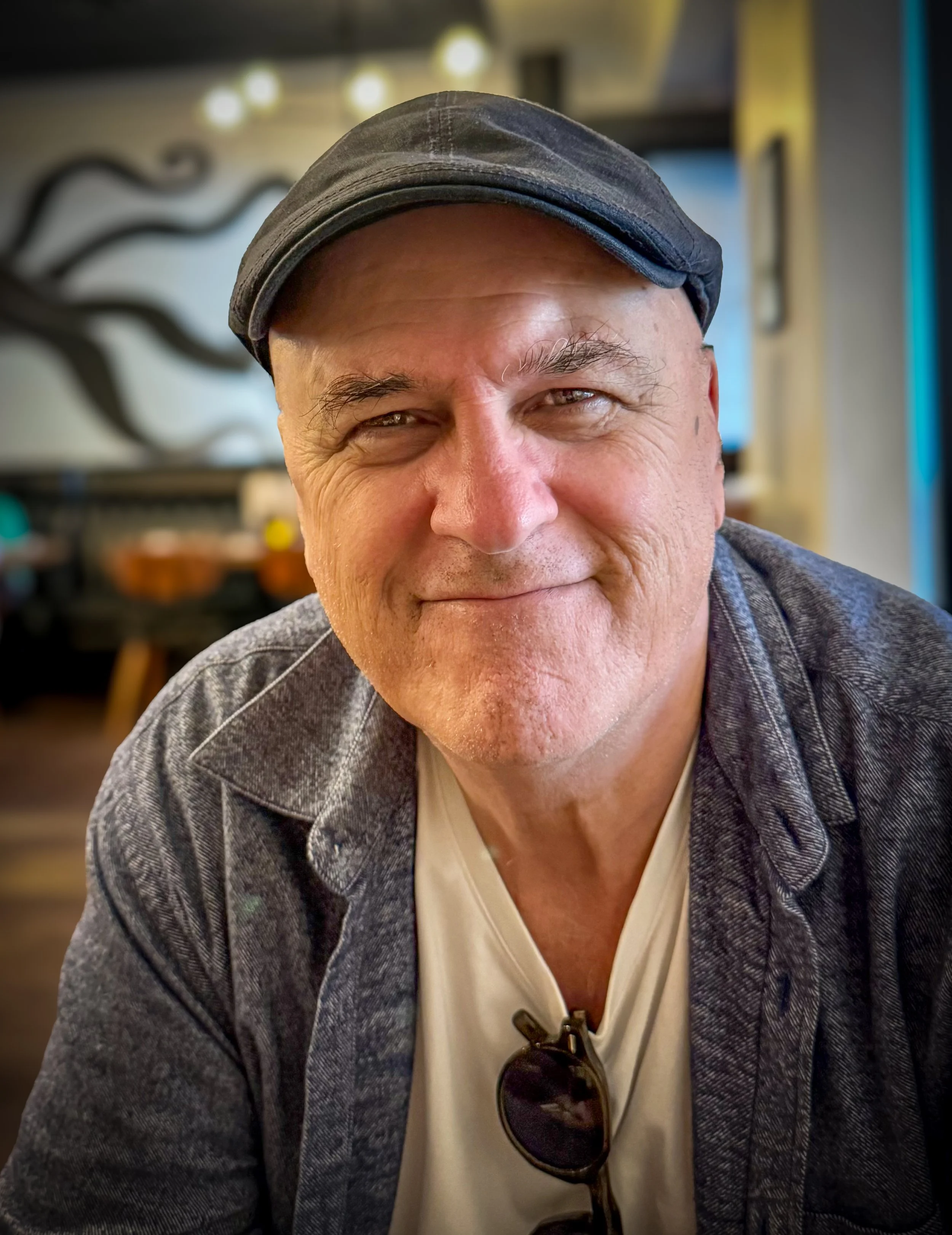
I’ve spent 22 years as a journalist, listening to the community.
Now I’d like to speak for it.
I’ve lived in this community for 30 years and raised my family here. I've watched farmland become neighbourhoods, and neighbourhoods become towers. I’ve seen area residents adapt, organize and push back.
As a reporter with The Surrey Leader, I sat across from politicians and kept asking questions until their answers made sense and could be verified. I reported on City Hall, provincial and federal politics, policing, the courts, health care, addiction, and mental health. Officials gave me their official version; people living with the consequences gave me the rest.
My series Equal Opportunity Destroyer followed mental illness through the lives it upends: patients, parents, siblings and neighbours. It taught me that a system can look fine on paper but fail badly in person.
From the press gallery to the front lines
My own recovery from addiction took me somewhere journalism never could. I became a recovery coach, then began training others to do the same.
Working in this field has given me a view of addiction recovery the headlines never addressed. People were getting lost in a maze of referrals. Many others completed treatment and slid quickly back into addiction. Everything felt like a revolving door.
Something in our system was failing those most in need.
B.C. has spent heavily on the addiction crisis. Some of it is working. Some of it isn't. An MLA should be able to speak to both without worrying about offending their party.
Why I'm running
When I woke up the day this snap election was called, I became agitated that issues of great importance weren’t being raised.
How could I make sure urgent matters made it onto the list of promises?
Chief among them was the ongoing toxic drug crisis that has taken 18,000 lives in the last decade. That’s more British Columbians lost in both World Wars and COVID combined. And it continues at almost five people a day.
Not a word from the party platforms.
There’s a way through this, and other parts of the world have best practices. Right now, this province has massive gaps in its recovery pathway. People who want out of their addiction can’t find the way.
We’re not talking about wholesale changes, just some additions and changing the way we spend our money. We will help save lives and relieve some of our system of a $6 billion annual burden.
I won't pretend to have a tidy answer to all of this. What I bring is a method: find the people who know, follow the evidence, and never accept the first answer when it doesn't add up. Journalism taught me that. Recovery taught me the rest: a policy is only as good as how it meets the needs of the person it was intended to serve.
Why Independent
No party whip. No borrowed talking points. I'll back a good idea no matter who brings it and oppose a bad one no matter who owns it.
Independent doesn't mean isolated. It means I can work with anyone in the Legislature who's serious about fixing a problem, and I'll never have to defend a bad decision out of loyalty. Every vote gets the same test: Is this good for Surrey–White Rock?
I've spent a career listening to this community. Now I'd like to speak for it.